工廠模式 創建對象的藝術與設計之道
在軟件工程的世界里,設計模式是解決特定問題的經典模板。其中,工廠模式(Factory Pattern)作為創建型模式的代表,以其優雅的封裝性和強大的擴展性,成為構建靈活、可維護代碼的重要基石。
什么是工廠模式?
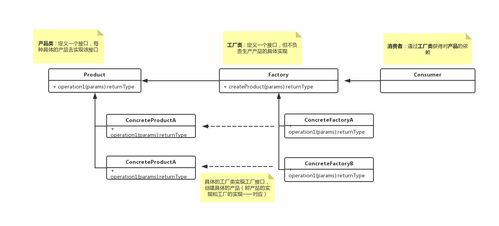
工廠模式的核心思想是:將對象的創建過程從直接調用構造函數的硬編碼方式中解耦出來,交由一個專門的“工廠”類來負責。這樣,客戶端代碼無需關心具體對象的創建細節,只需通過工廠接口獲取所需對象即可。
想象一下汽車制造:消費者不必知道發動機如何鑄造、底盤如何焊接,只需告訴汽車工廠“我需要一輛SUV”,工廠就會交付成品。工廠模式在軟件中扮演著類似的角色。
為何需要工廠模式?
直接使用 new 關鍵字創建對象看似簡單,但隨著系統演進會暴露諸多問題:
- 違反開閉原則:當需要新增產品類型時,必須修改所有創建該對象的代碼。
- 代碼重復:復雜的對象初始化邏輯散落在各處。
- 依賴具體類:客戶端代碼與具體實現類緊密耦合,難以替換或擴展。
工廠模式通過引入抽象層,完美解決了這些問題。
工廠模式的三種形態
1. 簡單工廠模式(Simple Factory)
最簡單直接的實現方式,通過一個靜態方法根據傳入參數返回不同產品。
`java
// 產品接口
interface Car {
void drive();
}
// 具體產品
class Sedan implements Car {
public void drive() { System.out.println("駕駛轎車"); }
}
class SUV implements Car {
public void drive() { System.out.println("駕駛SUV"); }
}
// 簡單工廠
class CarFactory {
public static Car createCar(String type) {
switch(type) {
case "sedan": return new Sedan();
case "suv": return new SUV();
default: throw new IllegalArgumentException("未知車型");
}
}
}
// 使用
Car car = CarFactory.createCar("suv");
car.drive();`
優點:結構簡單,易于理解。
缺點:違反開閉原則,新增產品需要修改工廠方法。
2. 工廠方法模式(Factory Method)
定義一個創建對象的接口,但讓子類決定實例化哪個類。工廠方法讓類的實例化推遲到子類。
`java
// 抽象工廠
abstract class CarFactory {
public abstract Car createCar();
public void deliver() {
Car car = createCar();
car.drive();
System.out.println("車輛交付完成");
}
}
// 具體工廠
class SedanFactory extends CarFactory {
public Car createCar() {
return new Sedan();
}
}
class SUVFactory extends CarFactory {
public Car createCar() {
return new SUV();
}
}
// 使用
CarFactory factory = new SUVFactory();
factory.deliver();`
優點:完全遵循開閉原則,新增產品只需添加新工廠類。
缺點:類的數量會成對增加(每個產品對應一個工廠)。
3. 抽象工廠模式(Abstract Factory)
抽象工廠提供一個創建一系列相關或相互依賴對象的接口,而無需指定它們具體的類。這是工廠方法模式的升級版,用于創建產品族。
`java
// 抽象產品族
interface Engine {
void start();
}
interface Wheel {
void rotate();
}
// 具體產品族A:經濟型
class EconomyEngine implements Engine {
public void start() { System.out.println("經濟型發動機啟動"); }
}
class EconomyWheel implements Wheel {
public void rotate() { System.out.println("經濟型輪胎轉動"); }
}
// 具體產品族B:豪華型
class LuxuryEngine implements Engine {
public void start() { System.out.println("豪華型發動機啟動"); }
}
class LuxuryWheel implements Wheel {
public void rotate() { System.out.println("豪華型輪胎轉動"); }
}
// 抽象工廠
interface CarPartsFactory {
Engine createEngine();
Wheel createWheel();
}
// 具體工廠
class EconomyCarFactory implements CarPartsFactory {
public Engine createEngine() { return new EconomyEngine(); }
public Wheel createWheel() { return new EconomyWheel(); }
}
class LuxuryCarFactory implements CarPartsFactory {
public Engine createEngine() { return new LuxuryEngine(); }
public Wheel createWheel() { return new LuxuryWheel(); }
}
// 客戶端
class CarAssembler {
private Engine engine;
private Wheel wheel;
public CarAssembler(CarPartsFactory factory) {
this.engine = factory.createEngine();
this.wheel = factory.createWheel();
}
public void assemble() {
engine.start();
wheel.rotate();
System.out.println("汽車組裝完成!");
}
}`
優點:保證產品族的兼容性,易于切換整個產品系列。
缺點:擴展產品族困難(新增產品類型需要修改所有工廠接口)。
工廠模式的應用場景
- 框架設計:Spring框架的BeanFactory、IoC容器
- 數據庫訪問:Connection對象的創建
- 日志系統:Log4j、SLF4J的Logger工廠
- UI工具包:跨平臺UI組件的創建
- 游戲開發:不同角色、道具的生成
最佳實踐與注意事項
- 不要過度設計:如果對象創建邏輯簡單,直接使用
new可能更合適 - 結合依賴注入:現代框架通常將工廠模式與DI容器結合使用
- 考慮使用靜態工廠方法:Joshua Bloch在《Effective Java》中推薦的方式
- 工廠模式 vs 建造者模式:工廠關注對象創建,建造者關注復雜對象的構建過程
##
工廠模式不僅僅是“創建對象”的工具,更是一種設計哲學。它體現了面向對象設計的幾個核心原則:
- 封裝變化點:將易變的創建邏輯隔離
- 依賴倒置:依賴抽象而非具體實現
- 開閉原則:對擴展開放,對修改關閉
從簡單工廠到抽象工廠,我們看到了設計模式如何通過不同的抽象層次解決不同復雜度的問題。掌握工廠模式,意味著你不僅學會了創建對象的技術,更理解了如何構建靈活、可維護的軟件架構。
在實際開發中,工廠模式常常與其他模式(如單例、原型、策略模式)結合使用,形成更強大的解決方案。記住,設計模式不是銀彈,而是工具箱中的精良工具——在合適的場景使用合適的設計,才是優秀軟件工程師的智慧所在。
如若轉載,請注明出處:http://m.zgg888.cn/product/58.html
更新時間:2026-01-06 04:54:22